LPG vs Natural Gas at Home
LPG vs natural gas comes down to three things: how the gas arrives, what a leak does, and what it takes to switch an appliance between them. The gases do the same job at the cooktop and in the hot water cupboard, so the differences sit behind the scenes.
If we're late, $100 comes off your bill

- Licensed and InsuredEvery job done by a licensed plumber. QBCC No: 15024607
- Fixed Quote FirstFlat-rate pricing, agreed before any work starts
- Lifetime Labour WarrantyBacked by our Fix-It-or-It's-Free guarantee (T&Cs apply)
- $0 Call-Out FeesNo extra charge for nights, weekends or public holidays
The gas side of every difference comes back to one rule: gas work belongs to a licensed plumber holding a gas work licence. If you're weighing a gas question at a Deception Bay address, this guide covers the supply, the cylinder rules and the safety facts.
How Natural Gas and LPG Reach Your Home
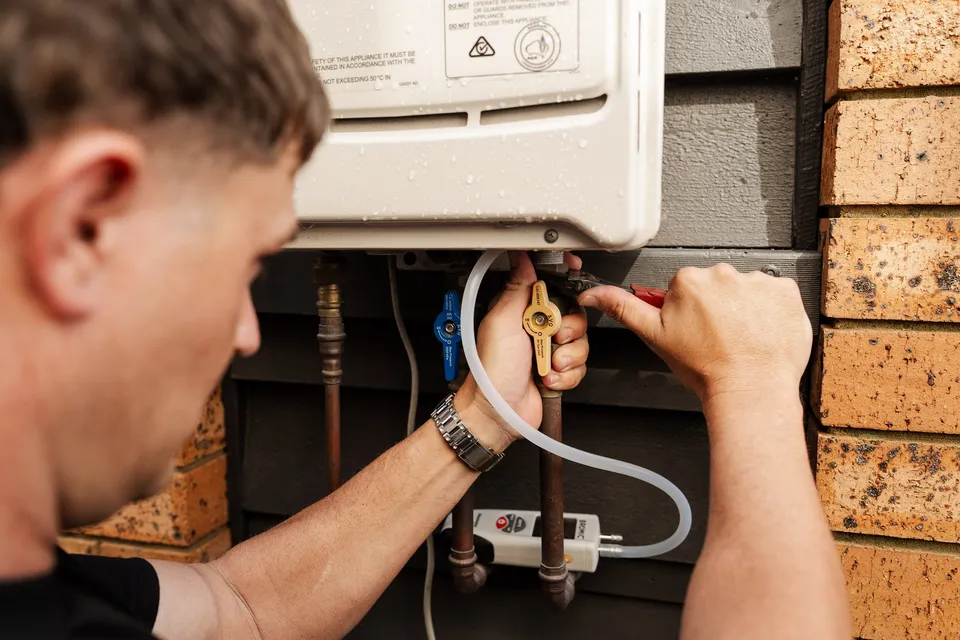
Natural gas is methane piped to your home from a metered gas network, while LPG arrives as a liquid in a cylinder or tank. LPG is liquefied petroleum gas, and it turns back to gas for use at the appliance. Queensland's safety advice also recognises piped, or reticulated, LPG, so a pipe at the wall does not automatically mean natural gas.
The quickest way to tell the two apart is at the property itself:
- A home with a gas meter sits on a pipe from a metered network, which can carry natural gas or reticulated LPG.
- A home with a cylinder or tank runs on bottled or tank LPG.
Neither gas has a colour or a smell of its own. A chemical called mercaptan is added to both, which is why a leak smells like rotten eggs.
Who Looks After the Cylinder at Your Home
The barbecue bottle that usually holds nine kilograms runs on a ten-year test stamp: no current stamp, no refill. A servo reads the date before it fills, and out-of-date bottles get knocked back at the bowser.
Once the bottle is yours to move and store, four rules hold:
- Strap the bottle standing up outside the cabin, in the boot or on the tray.
- Use and store it somewhere with fresh airflow, clear of heat and anything that could ignite.
- Keep spare bottles in one designated secure spot, not beside the barbecue or under the stairs.
- Seal the valve whenever the bottle sits idle, even an empty one.
A cylinder plumbed into the house is looked after by your LPG distributor, who maintains and tests the cylinder on a schedule. A smell of gas or a damaged bottle means a call to the distributor. Leave the valve alone; pulling a valve apart is not householder work.
Which Gas Pools in Low Areas and Drains
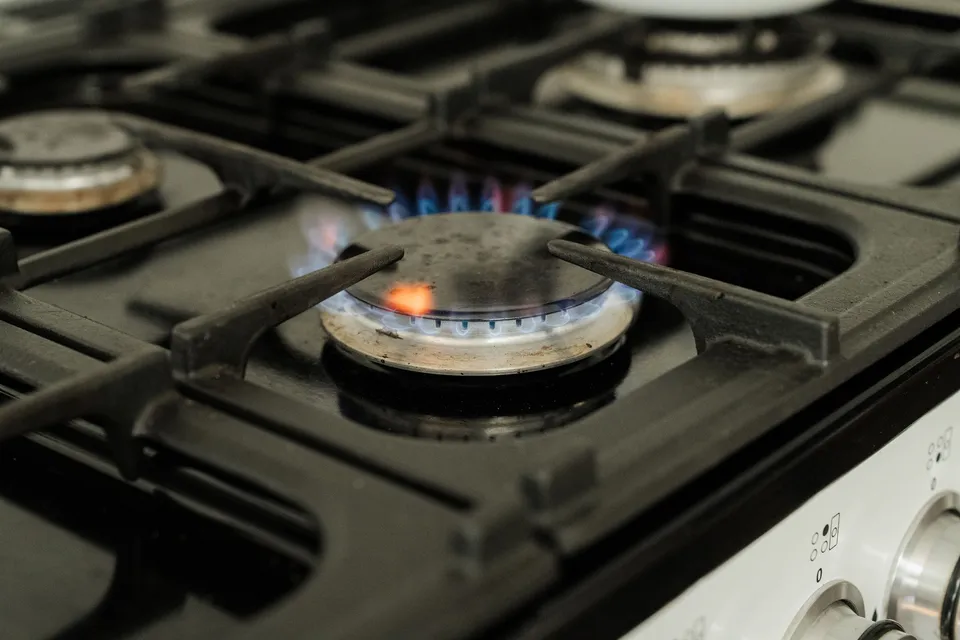
Natural gas is lighter than air and tends to rise and disperse outside, while LPG is heavier, so escaping gas settles in drains, pits and other low ground. Much of this suburb sits on low, wet coastal plain where trenches and gully traps sit close to the water table, so knowing which gas you have tells you where a leak would travel.
Both fuels are highly flammable, but neither is poisonous or toxic on its own. A space filled with gas can push out your oxygen and bring on nausea, dizziness and, in the worst case, asphyxiation.
The Queensland steps for a smell apply equally to both supplies. Switch the appliance off, air the house out and touch no electrical switches. Close the supply at the meter or the bottle if the smell lingers, and call 000 if it still hangs around.
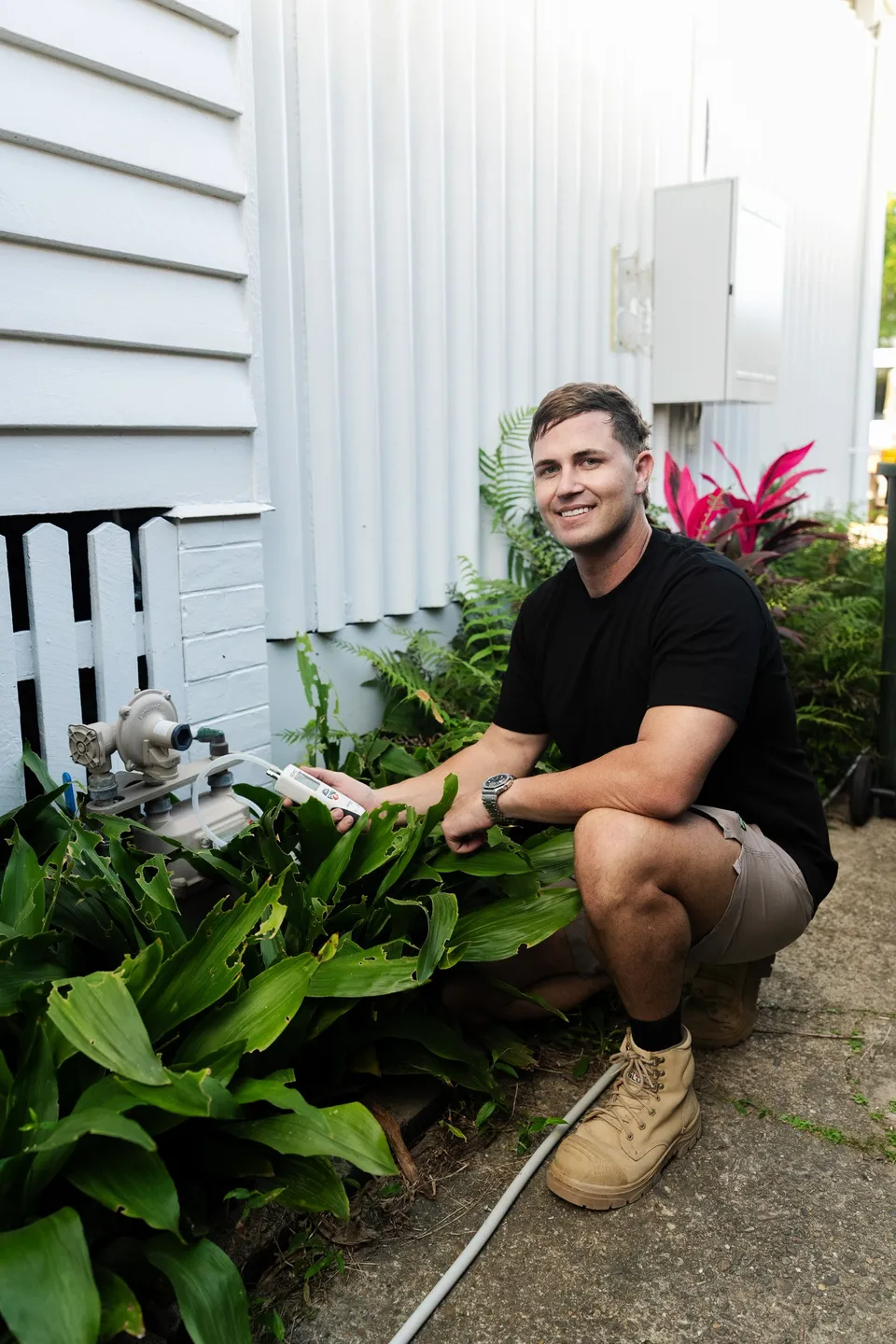
Can You Convert a Cooktop Between LPG and Natural Gas
Yes, you can, but only a licensed gasfitter may do the conversion. Most gas appliances are built for a single gas type, so a cooktop moving between a natural gas home and an LPG home needs conversion parts and a test before it runs.
Queensland law puts all gas work in licensed hands: installing, altering, repairing, servicing, testing and certifying a gas system and its pipework. The gasfitter fits conversion parts supplied by the appliance maker, where the maker makes them for that model, and tests the result before the cooktop goes back into service. Always ask to see the gas work licence before anyone starts on the appliance.
When to Call a Plumber
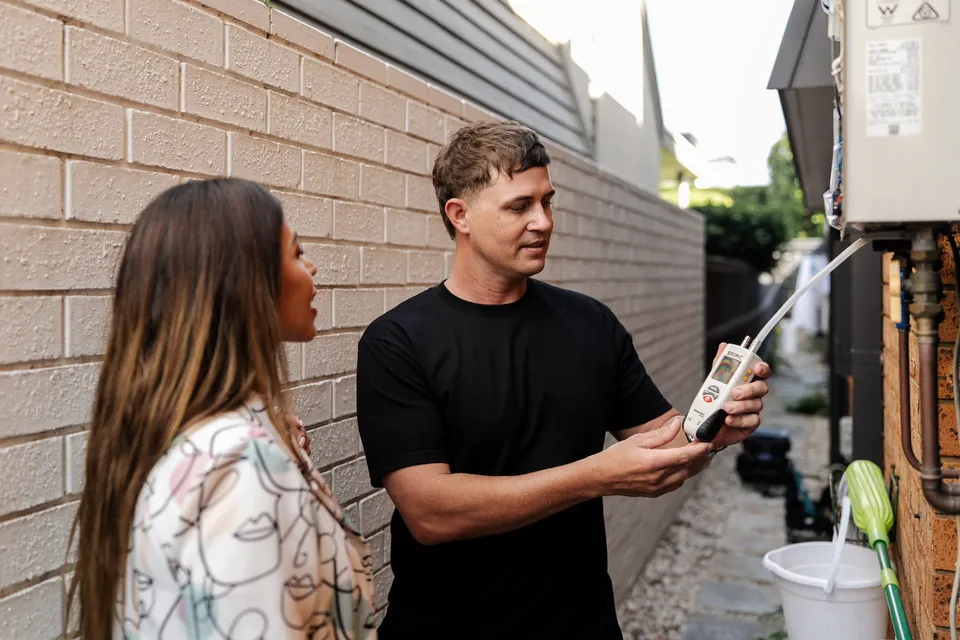
Call a licensed gasfitter whenever the gas question touches pipework, connections or an appliance, and call straight away when you can smell gas. A cooktop bought for one supply and now living on the other is the classic case: our gas cooktop installation work covers new fittings and conversions end to end.
A few other moments belong in the same phone call:
- A cylinder past its test stamp, dented or showing rust around the base.
- An appliance that has gone years without a service, which the Queensland advice says should happen periodically.
- A gas hot water system playing up, since the same licence covers the work.
- Any new bayonet, heater or inbuilt barbecue going onto the house supply.
Your Gas Questions Answered
Call (07) 3524 7137Is LPG heavier than air?
Yes, LPG sinks instead of rising, so escaped gas gathers in drains and low-lying spots around the yard. Natural gas floats up and thins out in open air, and that difference shapes how each supply behaves after a leak.
Can a gas cooktop run on both LPG and natural gas?
No, most gas cooktops are tuned to one gas at the factory. Moving a cooktop from a bottled-gas home to a metered supply takes a conversion. A licensed gasfitter does that work using conversion parts from the appliance maker, where the maker makes them for the model.
Can I carry a gas bottle home to Deception Bay in the car?
Yes, as long as the bottle travels secured outside the cabin, standing up in the boot or on the tray. At home the bottle needs a ventilated spot away from heat, and the valve stays sealed whenever the bottle isn't in use.
Who looks after the LPG bottle at my Deception Bay home?
The LPG distributor maintains and tests a cylinder connected to the house. Any gas smell or damage to the bottle is a reason to phone the distributor, and the cylinder valve is never a repair to try yourself.

Book a Licensed GasfitterWe'll call you back.
Book on (07) 3524 7137 for plumbing anywhere in Deception Bay. We're available 24/7, there's no extra charge for nights, weekends or public holidays, and every job comes with $0 call-out fees.
To claim your $0 call-out fee, call (07) 3524 7137 today.